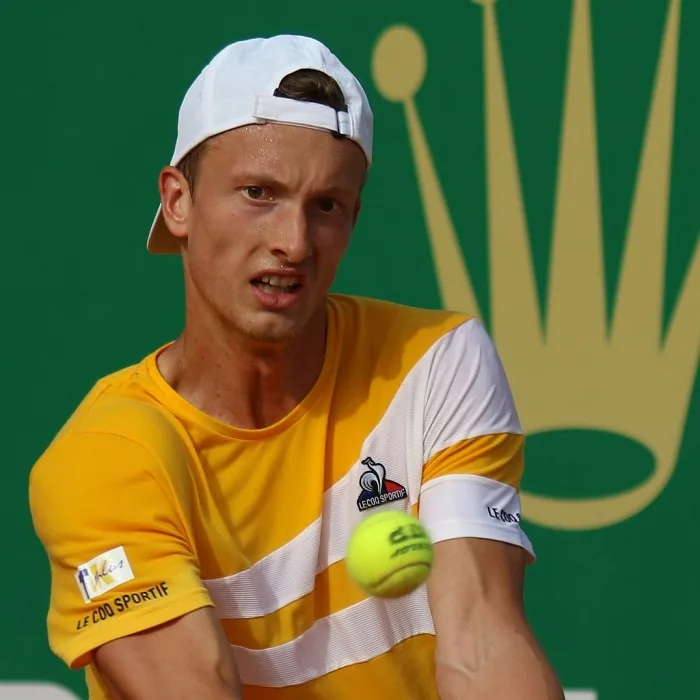







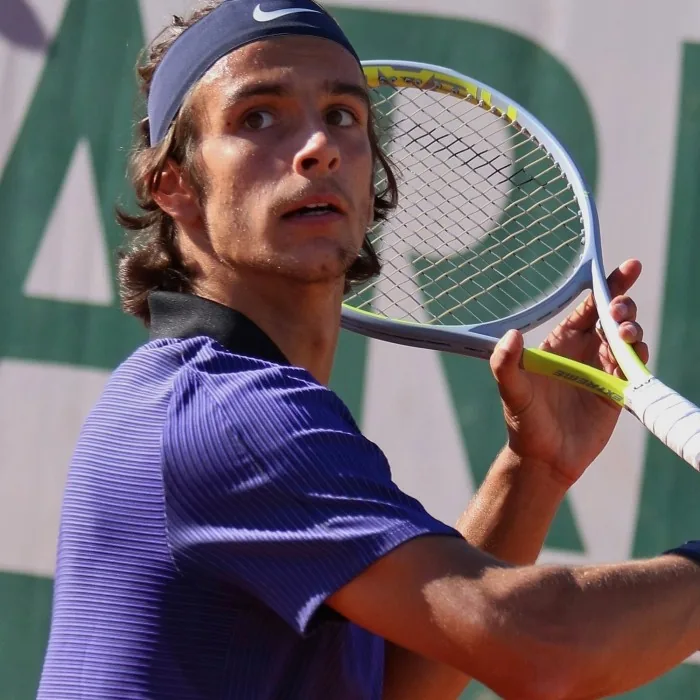
Head-to-Head
Musetti and Vacherot have limited direct history, with no significant ATP-level encounters on record. This absence of established patterns means the matchup hinges entirely on current form and surface aptitude rather than psychological advantage. However, Musetti’s trajectory as a top-50 player gives him a structural edge in experience against opponents of Vacherot’s caliber.
Read more Badosa’s Linz Dominance: Why the Spanish Star Remains the Clear Favorite Against Tagger
Vacherot, competing primarily on the Challenger circuit, faces a significant step up in competition. The Italian’s presence in Monte Carlo’s main draw reflects his seeding and ranking advantage—a gap that typically translates to tactical control and consistency under pressure.
Form Guide
Musetti enters Monte Carlo 2026 as an established clay-court operator. His recent performances on European red clay have reinforced his reputation as a dangerous competitor on this surface. The Italian combines solid baseline construction with improving net play, attributes that define success at the Masters 1000 level. His ranking stability in the ATP top 50 reflects consistent tournament performances across multiple surfaces.
Vacherot, by contrast, operates from a lower ranking tier. While Challenger-level success demonstrates technical competence, the jump to ATP Masters 1000 competition introduces variables—faster courts, higher-ranked opponents, and tournament pressure—that separate established professionals from emerging talent. His recent record lacks the consistency markers that define Monte Carlo contenders.
Key Factors
Clay remains Musetti’s fortress. The surface rewards the kind of baseline patience and movement patterns he has refined over multiple seasons. Monte Carlo’s specific court conditions—slower than some European clay events but still demanding lateral coverage—suit his game. Vacherot’s record on clay is functional but not dominant; he lacks the specialized preparation that separates clay specialists from generalists.
Read more Kotov Favored Against Holmgren in ATP Challenger Clash
Musetti’s serve, while not elite, functions adequately at this level and improves his hold percentage on clay. Vacherot’s serve becomes a critical variable—if it falters under pressure, Musetti’s return game and baseline depth will create break opportunities. The Italian’s ability to construct points through extended rallies gives him a structural advantage if the match extends beyond two sets.
Tournament fatigue and match sharpness matter here. Musetti’s regular ATP exposure means he arrives match-ready; Vacherot may require an adjustment period to ATP-level intensity. A potential trigger for upset: if Vacherot’s serve holds at 70%+ and he avoids extended baseline exchanges, he could steal a set. Conversely, if Musetti establishes early breaks and controls the tempo, the match becomes a formality.
Our Verdict
Musetti’s ranking advantage, clay-court specialization, and ATP experience create a clear structural edge. The coefficient of 1.52 reflects this disparity accurately—the market recognizes Musetti as the legitimate favorite without overvaluing his chances. Vacherot enters as a capable challenger but lacks the surface mastery and tournament pedigree to consistently trouble a player of Musetti’s caliber on clay.
The Italian should control this match through baseline construction and break-point conversion. Expect Musetti to win in straight sets, likely 6-4, 6-3 or similar scoreline. The match may feature one competitive set if Vacherot’s serve functions well early, but Musetti’s clay credentials and tactical maturity should prove decisive. This is a matchup where the higher-ranked player’s advantages compound rather than neutralize.
Read more Sasnovich Favored Over Pliskova in Competitive WTA Matchup
Sources: