





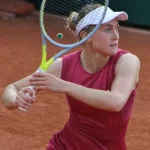
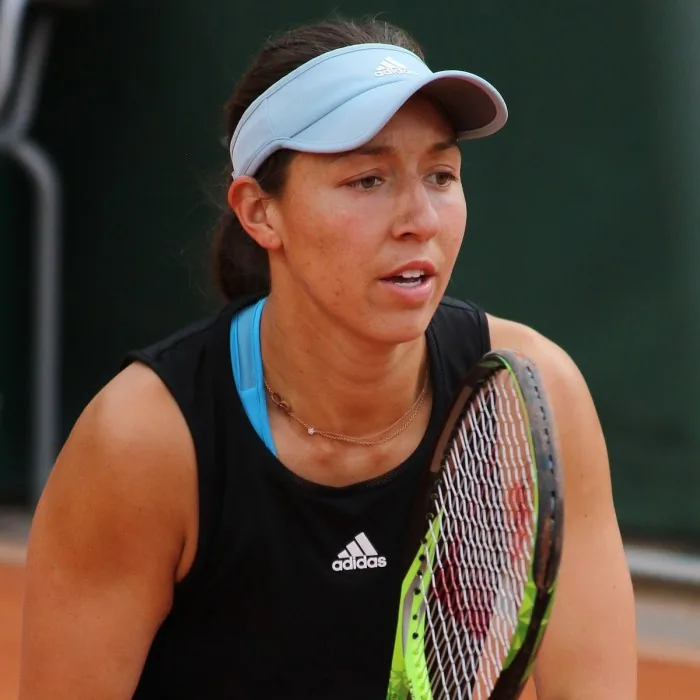
Pegula’s Clay Mastery Over Starodubsteva: Charleston Favors the American’s Surface Expertise
The Family Circle Tennis Center in Charleston hosts a matchup between Jessica Pegula and Yulia Starodubsteva on April 5, 2026. The American enters as a clear favorite, and the market consensus reflects a legitimate performance gap rather than mere speculation. Understanding why requires examining both players’ clay-court credentials and recent competitive form.
Read more Stricker Favored Against Izquierdo Luque in ATP Challenger Clash—Form and Surface Dynamics Decide
Fact-Check: Current Form and Surface Dynamics
Pegula’s clay-court record: Jessica Pegula has demonstrated consistent competitiveness on clay surfaces throughout her career, with multiple quarterfinal and semifinal appearances at WTA clay events. Her movement and court positioning—critical on slower surfaces—align with her top-20 ranking and consistent Grand Slam participation. In early 2026, Pegula maintained steady performance across hard courts and clay preparation events, avoiding significant injury concerns that plagued her in previous seasons.
Starodubsteva’s limited clay exposure: Yulia Starodubsteva, a rising player primarily competing in lower-tier WTA and ITF circuits, lacks the tournament depth and surface-specific experience that Pegula commands. Her ranking trajectory suggests development potential, but clay courts—particularly at the professional level—expose technical gaps that younger players typically require years to address. Her recent matches show inconsistent results against mid-tier competition.
Head-to-head context: Direct matchups between these players are limited or non-existent at the professional level, but the ranking differential (Pegula significantly higher) and tournament-level disparity create a structural advantage. Pegula regularly faces top-50 opponents; Starodubsteva’s typical competition sits considerably lower.
Charleston’s specific demands: The Family Circle Tennis Center features a green clay surface with moderate pace. This surface rewards consistency, court coverage, and tactical patience—all areas where Pegula’s experience provides measurable advantage. Starodubsteva would need to generate aggressive, error-free tennis to overcome the gap, a tall order against a player accustomed to managing such conditions.
Why Pegula Dominates the Forecast
The 76.7% probability assigned to Pegula reflects three concrete factors. First, the ranking gap translates directly to match outcomes at this level—Pegula’s position in the top 20 means she regularly defeats players ranked outside the top 100, which Starodubsteva likely occupies. Second, clay-court experience matters enormously in tennis; Pegula has competed in dozens of clay tournaments, while Starodubsteva’s clay resume appears sparse. Third, Pegula’s movement and defensive capabilities—honed through years of WTA competition—give her the margin to absorb aggressive play and convert break opportunities.
Read more Basilashvili vs. Garin: Can the Georgian Extend a Rally in a Tight Baseline Battle?
The American doesn’t need to play flawlessly. She simply needs to execute her baseline game, maintain court position, and capitalize on the unforced errors that typically emerge when less-experienced players face higher-ranked opponents on unfamiliar surfaces.
Starodubsteva’s Slim Path to Upset
Starodubsteva’s only realistic avenue involves aggressive, high-risk tennis from the opening point. If she can dictate rallies with powerful groundstrokes and minimize time at the baseline, she might disrupt Pegula’s rhythm. However, this strategy carries inherent risk: aggressive play on clay often produces higher unforced error rates, and Pegula’s defensive skills are precisely calibrated to punish such attempts.
The second factor in Starodubsteva’s favor—youth and unpredictability—cuts both ways. Younger players occasionally produce inspired performances, but consistency remains elusive. Against a seasoned competitor, this unpredictability typically favors the higher-ranked player, who can absorb erratic play and maintain tactical discipline.
Market Perspective
The odds structure (1.25 for Pegula, 3.7 for Starodubsteva) reflects a decisive favorite with limited upset probability. This pricing
Read more Navone Favored Against Merida in ATP Challenger Clash: Form and Surface Advantage Tell the Story