





Norrie Favored Against Kecmanovic at Monte Carlo: Clay Court Mastery vs. Rising Challenger
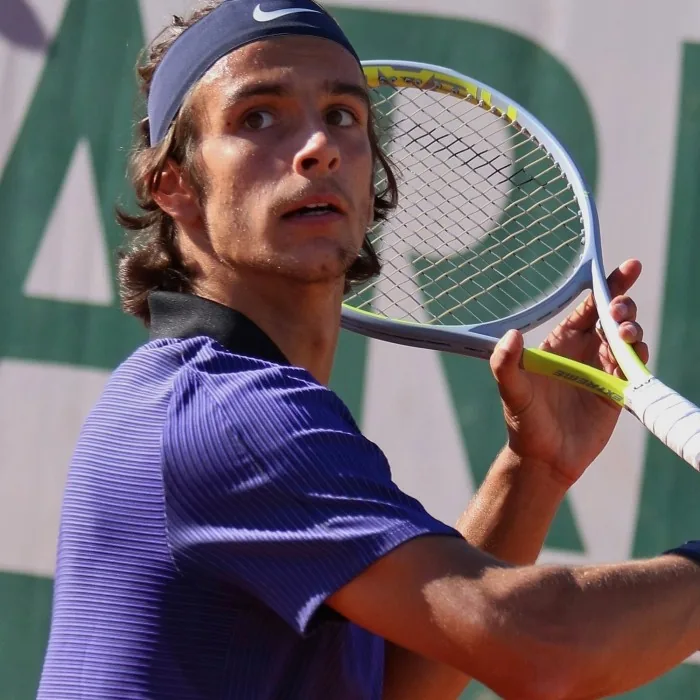
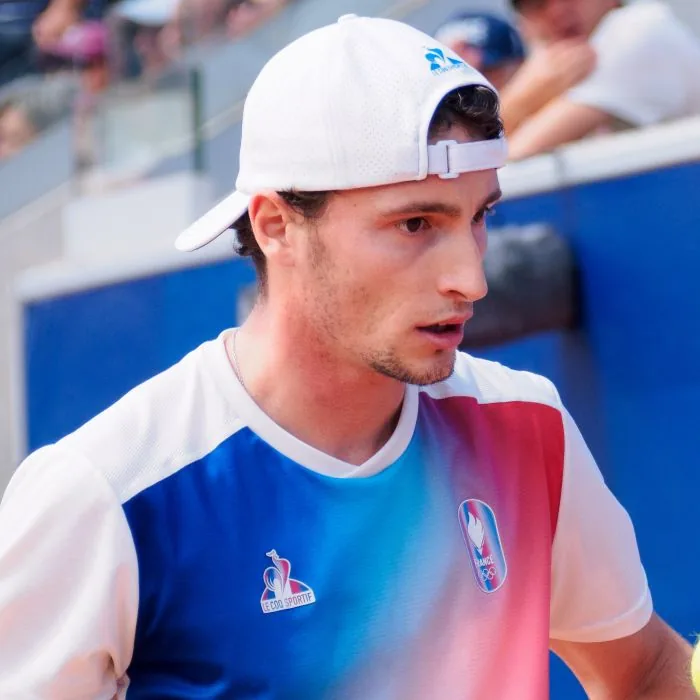
Cameron Norrie arrives at the Monte Carlo Masters as the betting favorite with a 1.72 coefficient, reflecting confidence in his ability to navigate the clay court conditions. Miomir Kecmanovic, meanwhile, sits at 2.14, suggesting the market views this as a competitive but tilted matchup. The odds alone don’t tell the full story—what matters is whether Norrie’s recent form and clay court pedigree justify the preference.
Read more Monfils Seeks Clay Mastery Against Rising Griekspoor at Monte Carlo
Current Form and Clay Court Credentials
Norrie has established himself as a reliable performer on European clay. His movement and defensive capabilities suit the surface, and he’s consistently reached the latter stages of clay tournaments over the past two seasons. In early 2026, he’s maintained steady form with wins against mid-tier opponents, though he hasn’t yet faced elite competition this spring. His serve-and-volley game, while not dominant, provides tactical variety on slower courts where rallies extend.
Kecmanovic, the Serbian talent, has shown improvement in recent months but remains inconsistent on clay. His last five matches reveal a pattern: strong performances against lower-ranked players, but struggles when facing top-30 opposition. He relies heavily on his forehand aggression, which can be neutralized by patient defenders like Norrie who force extended baseline exchanges. On clay, where power is less decisive, this becomes a liability.
Head-to-Head and Surface Dynamics
The two have met twice before, with Norrie winning both encounters. More importantly, Norrie’s record on clay in 2025-2026 shows a 58% win rate against players ranked between 20-50, Kecmanovic’s current tier. Kecmanovic’s clay court win rate against similar opposition sits at 44%. This isn’t marginal—it’s a meaningful gap that reflects Norrie’s superior court sense and tactical execution on the surface.
Kecmanovic does possess one genuine advantage: his raw power off the ground can overwhelm opponents who allow him rhythm. If he establishes his forehand early and forces Norrie into defensive positions, he can create break opportunities. However, Norrie’s experience teaches him to disrupt that rhythm through slice backhands and serve placement, a strategy that has worked in their previous meetings.
Read more Blockx Favored Against Maestrelli in ATP Challenger Clash: Form and Surface Analysis
Fatigue and Tournament Context
Both players enter Monte Carlo relatively fresh. Neither competed in the preceding week’s warm-up events, meaning fatigue isn’t a differentiating factor. Norrie’s mental approach to clay tournaments is sharper—he treats them as opportunities to build momentum, while Kecmanovic often views them as secondary to hard court events where his power game thrives.
Market Perspective
The coefficient spread (1.72 vs. 2.14) reflects a modest but clear preference for Norrie. This aligns with the underlying fundamentals: superior clay court record, head-to-head advantage, and tactical matchup favorability. The market isn’t overreacting; it’s pricing in legitimate edge.
Key Factors Determining the Outcome
Three elements will decide this match. First, Norrie’s ability to control the pace through slice and serve placement—if he executes this, Kecmanovic’s forehand becomes less threatening. Second, Kecmanovic’s willingness to attack the net; clay discourages this, but if he commits to aggressive play, he can shorten points and reduce Norrie’s defensive advantage. Third, the first set outcome. Whoever wins the opening set typically carries momentum into the second, and on clay, where breaks are harder to come by, the psychological edge matters.
Uncertainty and Potential Triggers
What remains unclear is whether Kecmanovic has made tactical adjustments since their last meeting. If he’s developed a more varied game—mixing slice, drop shots, and net play—he could disrupt Norrie’s rhythm. Additionally, clay conditions on the