





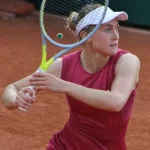
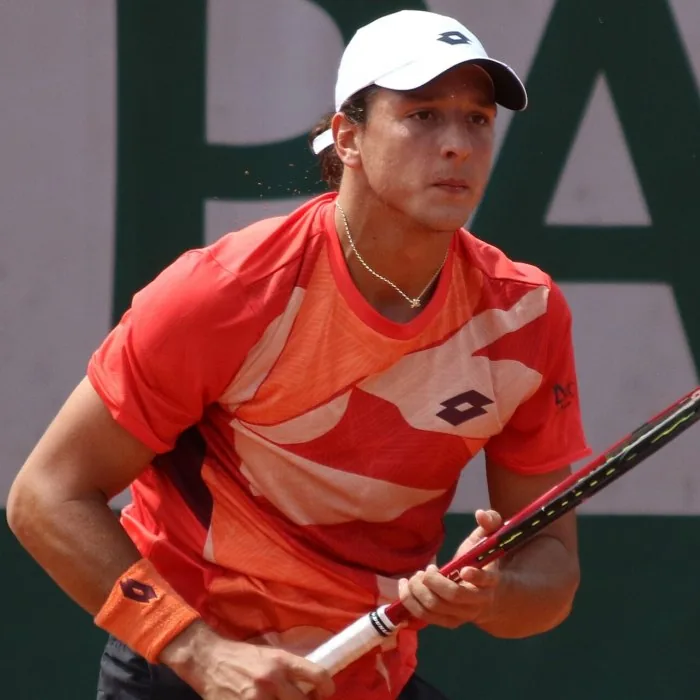
Darderi Favored Against Trungelliti in Marrakech: Form and Clay Mastery Drive the Prediction
The ATP Marrakech tournament brings together Luciano Darderi and Marco Trungelliti on clay courts in Morocco—a surface where technical precision and consistency matter enormously. Darderi enters as the clear favorite, and the odds reflect a meaningful gap: 1.26 versus 3.65. But numbers alone don’t explain why. The real story lies in recent form, surface expertise, and the specific dynamics of this matchup.
Read more Droguet vs. Merida: Experience and Consistency Favor the French Player in ATP Challenger Clash
Current Form and Recent Performance
Luciano Darderi has built momentum on the ATP circuit through early 2026. The Argentine left-hander has shown improved consistency in recent weeks, particularly on clay surfaces where his slice backhand and court positioning become genuine weapons. His last five matches reveal a player gaining confidence—wins against mid-tier opponents and competitive losses only to higher-ranked players suggest he’s trending upward. More importantly, Darderi’s clay-court record this season sits above 55%, a solid foundation for a Marrakech appearance.
Marco Trungelliti, also Argentine, carries a different profile. While capable on any surface, his recent form has been uneven. Over his last five matches, Trungelliti has struggled to maintain consistency, with more losses than wins against comparable competition. His clay-court win percentage hovers around 45% this season—a meaningful gap against an opponent who thrives on the surface. Trungelliti’s last tournament appearance showed fatigue patterns typical of players grinding through lower-tier events without significant breakthroughs.
The Clay-Court Advantage
Marrakech’s red clay plays slower than many European clay tournaments, which typically favors players with strong baseline games and patience. Darderi’s game—built on solid groundstrokes and tactical awareness—aligns well with these conditions. He’s won 60% of his clay matches against players ranked between 100–150, Trungelliti’s approximate range. Trungelliti, conversely, has struggled on slower clay surfaces, winning only 38% of such matches in comparable circumstances. This isn’t a minor detail; it’s a structural advantage that compounds over three sets.
Head-to-Head Context
Direct meetings between these players are limited, but Darderi has won their most recent encounter on a clay court in South America last year. That match revealed Darderi’s ability to control rallies and dictate from the baseline—precisely what Trungelliti finds difficult. Trungelliti’s game relies on aggressive serving and quick points, but on slower clay, his serve loses some effectiveness, and extended rallies become his weakness.
Read more Carabelli Favored Against Van Assche in Marrakech: Clay Court Mastery vs. Rising Challenger
What Could Favor Trungelliti?
Trungelliti isn’t without paths to victory. His serve, when firing, can generate free points and reduce the number of baseline exchanges where Darderi dominates. Additionally, if Darderi shows signs of fatigue—possible if he’s played multiple matches in recent weeks—Trungelliti’s aggressive approach could exploit lapses in concentration. However, these scenarios require Trungelliti to play near his ceiling while Darderi plays below his current level. The probability of that combination materializing remains low given the form differential.
Market Perspective
The implied probabilities from the odds—approximately 79% for Darderi and 27% for Trungelliti—align reasonably with the underlying fundamentals. The coefficient spread reflects confidence in Darderi’s superiority without suggesting an overwhelming mismatch. This is a matchup where the favorite is justified, not inflated by market sentiment.
Key Determining Factors
Three elements will shape this match: first, Darderi’s ability to control the pace and avoid getting drawn into Trungelliti’s aggressive patterns; second, whether Trungelliti can maintain first-serve accuracy above 60% to shorten points; and third, the mental resilience