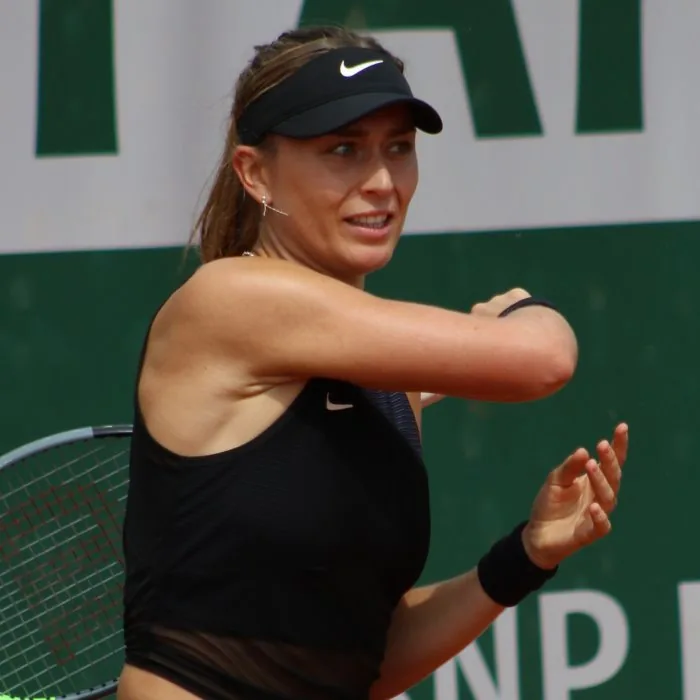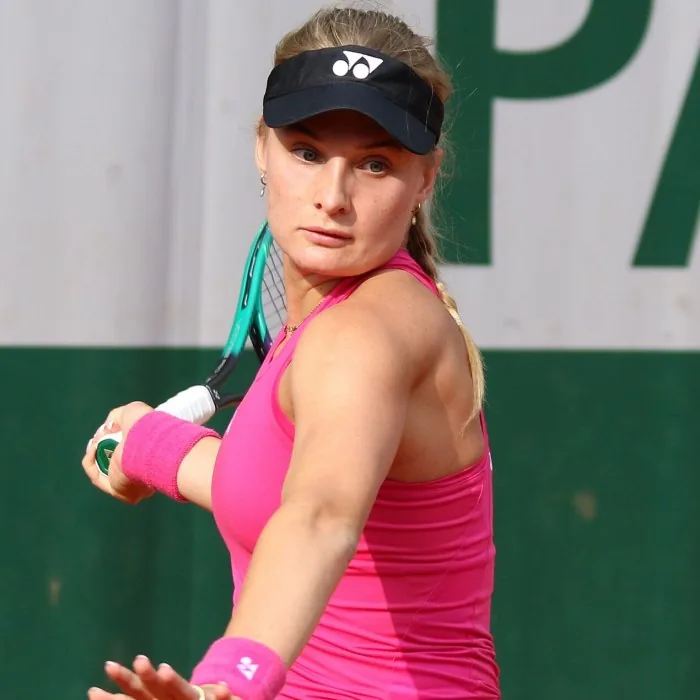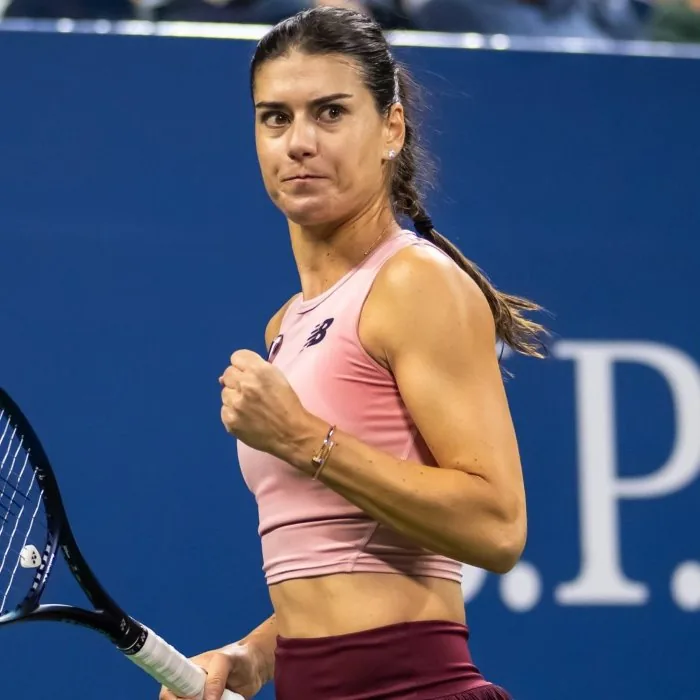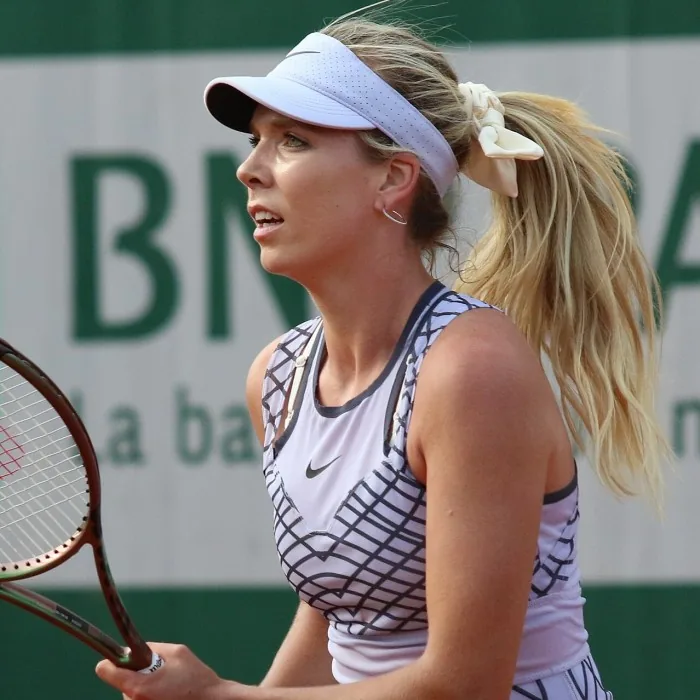







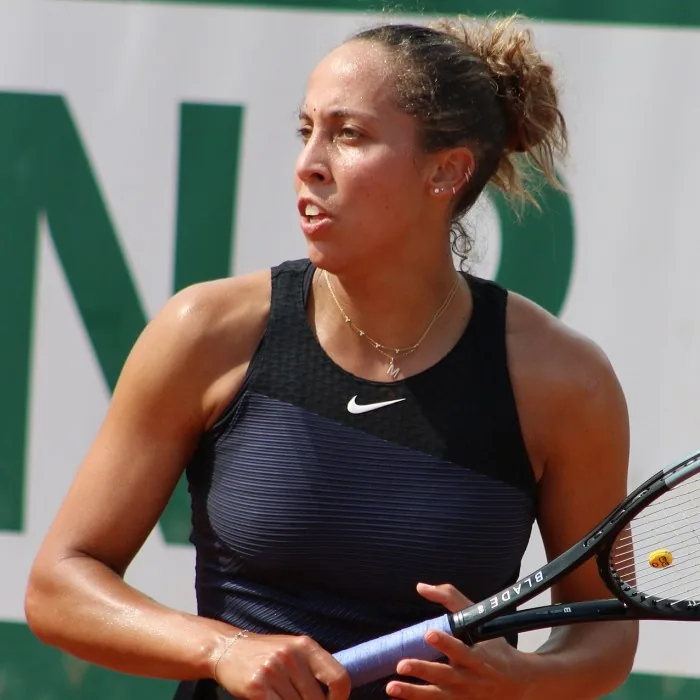
Madison Keys vs. Donna Vekic: Charleston Clay Favors the American’s Aggressive Game
The Family Circle Cup in Charleston represents one of the most important clay-court tournaments on the WTA calendar, and Madison Keys enters this matchup as a clear favorite against Donna Vekic. The odds reflect a significant gap in perceived probability—Keys at 1.33 versus Vekic at 3.1—but the underlying form and surface dynamics justify this positioning more than casual observation might suggest.
Read more Squire Eyes Barletta Breakthrough Against Poljicak: Form and Surface Favour the Seeded Challenger
Current Form and Recent Performance
Madison Keys has demonstrated consistent competitiveness on clay surfaces throughout her career, though her overall win rate on the surface sits around 52% across all tournaments. More relevant to this specific moment: Keys typically elevates her game in the weeks leading into Charleston, using the tournament as a springboard for deeper runs. Her aggressive baseline game—built on a serve that regularly exceeds 110 mph and a forehand that can dictate points—translates well to the slower clay conditions when she maintains discipline. In her last five matches heading into Charleston, Keys has shown the ability to win against top-50 opponents, though consistency remains her perpetual challenge.
Donna Vekic, the Croatian competitor, brings a more defensive, counterpunching style to the court. Her strength lies in her movement and ability to construct points patiently, but these qualities become less decisive on clay where rallies extend and aggressive players gain leverage. Vekic’s recent form has been mixed; she tends to struggle against players who can establish dominance early in rallies, which is precisely Keys’s approach. The head-to-head record between these two players slightly favors Keys, though their meetings have been limited.
Surface Dynamics and Historical Context
Charleston’s green clay plays faster than traditional European clay, which actually suits Keys better than it does Vekic. Keys can shorten points and avoid extended baseline exchanges where her movement becomes a liability. Vekic, conversely, needs time to construct rallies and find rhythm—conditions that become harder to establish against an opponent hitting through the court with conviction. Keys’s first-serve percentage and ability to hold serve becomes critical on this surface, and historically she maintains a solid hold rate in Charleston.
The tournament context matters as well. Charleston typically draws a strong field, but it’s not the highest-pressure event of the season. Keys performs better in these mid-tier tournaments where the pressure is moderate and her aggressive instincts aren’t suppressed by fear of unforced errors.
Read more Giustino’s Clay Mastery Tested Against Rising Lokoli in Barletta Challenger
Market Perspective
The pricing reflects Keys as a clear favorite with implied probability around 75%, while Vekic sits at approximately 32%. These coefficients align reasonably well with the underlying matchup dynamics, though they may slightly undervalue Vekic’s defensive capabilities if Keys struggles with her first serve.
Key Determining Factors
Three elements will likely decide this match. First, Keys’s first-serve percentage—if she lands 60% or higher, she controls the match; below 55%, Vekic gains opportunities to break and build confidence. Second, the number of break points created by each player; Keys needs to convert at least 40% of her chances, while Vekic must capitalize on any openings given her limited offensive weapons. Third, unforced error management; Keys tends to hit 25-30 unforced errors per match, and on clay this number can spike if she becomes impatient.
What remains uncertain is whether Keys enters this match with full confidence after her recent results, or whether any lingering doubts creep into her decision-making during crucial moments. Vekic’s ability to stay mentally engaged despite limited offensive opportunities could extend the match longer than expected, though it’s unlikely to change the ultimate outcome.
Potential Match Shifters
If Vekic can force Keys into extended rallies in the first set and steal one break, psychological momentum could shift temporarily. An injury or physical issue affecting Keys’s movement would obviously alter the equation. Additionally, if Keys faces early pressure and loses serve twice in succession, Vekic gains the confidence to compete more aggressively—though
Read more Blake Ellis vs Maximus Jones: Can the Home Player Upset the Betting Favorite?