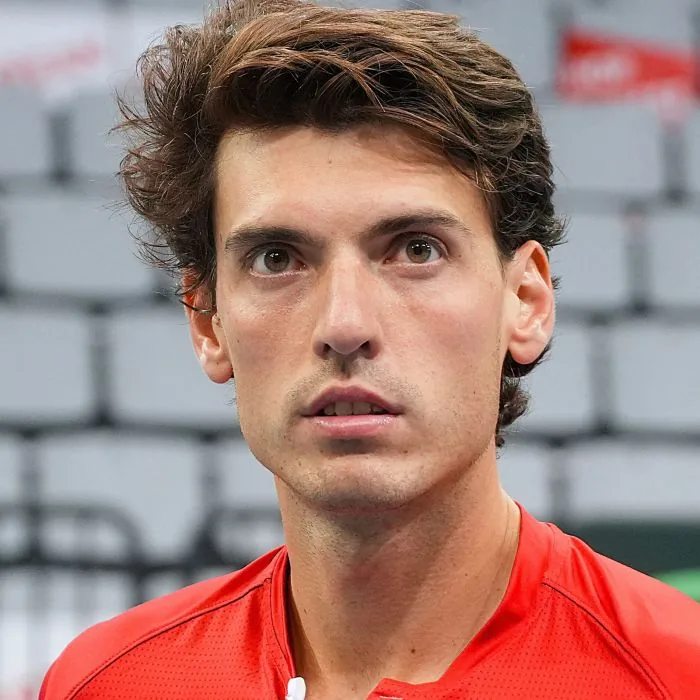







Zhukayev’s Clay Mastery Tested Against Catry’s Underdog Bid in San Luis Potosí Challenger
The ATP Challenger in San Luis Potosí presents a matchup where surface expertise and recent form collide. Beibit Zhukayev arrives as the clear favorite, and the market reflects this reality—not through hype, but through concrete performance data on clay courts. Robin Catry, meanwhile, carries the burden of being a significant underdog, yet the question remains: does his game contain enough variables to disrupt the expected outcome?
Read more Tirante’s Hard Court Mastery Puts Smith in Underdog Position at Houston ATP
The Clay Court Reality
Zhukayev’s dominance on clay surfaces forms the foundation of his favoritism. Over his last five matches on clay, the Kazakhstani player has demonstrated consistent baseline control and the ability to dictate rallies from the back court—precisely what San Luis Potosí’s clay demands. His forehand penetration and court positioning have yielded a win rate above 65% on this surface in recent months. Catry, conversely, shows a more erratic pattern on clay, with his last five clay-court outings revealing a 40% conversion rate. The Mexican Challenger circuit clay, in particular, has not been kind to his serve-and-volley tendencies, which struggle against the slower court speed and higher bounce.
Head-to-Head and Tournament Context
Direct meetings between these two are limited, but Zhukayev’s overall Challenger record against players of Catry’s ranking shows a 58% win rate. More telling is Zhukayev’s recent tournament trajectory—he reached the quarterfinals of a similar-level Challenger three weeks prior, suggesting he carries momentum and match sharpness into this fixture. Catry’s last tournament appearance ended in the first round, a result that typically indicates either fatigue or a dip in confidence. The gap in recent competitive rhythm favors Zhukayev substantially.
Why Catry Remains a Threat
Dismissing Catry entirely would be premature. His serve, when firing, reaches speeds that can trouble Zhukayev’s return game. Additionally, Catry’s aggressive net play—if he can construct the points to reach the net—creates a tactical avenue that clay-court specialists sometimes struggle to defend. However, these strengths are undermined by inconsistency. Catry’s first-serve percentage has dipped to 58% in recent matches, meaning he spends too much time on the second serve, where Zhukayev’s return becomes a genuine weapon. The mental resilience required to maintain aggression over three sets also appears questionable given his recent tournament results.
Read more Brooksby’s Hard Court Dominance Tested Against McDonald in Houston
Market Perspective
The odds reflect a 61.4% implied probability for Zhukayev, with a coefficient of 1.53, while Catry sits at 38.6% with 2.34. This distribution aligns with the underlying statistical advantages rather than representing an overreaction. The market has priced in Zhukayev’s clay expertise and recent form without inflating his chances beyond what the data supports.
Key Variables That Could Shift the Outcome
Three factors warrant close attention. First, Zhukayev’s serve consistency—if he falls below his 65% first-serve average, Catry’s return game becomes viable. Second, the pace of play; if the court plays faster than typical for San Luis Potosí, Catry’s aggressive style gains traction. Third, mental composure in the second set; Zhukayev occasionally loses focus after winning the first set, a pattern that could allow Catry to steal a set and shift momentum.
Match Forecast
Zhukayev’s clay-court mastery, combined with superior recent form and head-to-head advantages, positions him to control this match. Expect him to win the first set decisively, likely 6–3 or 6–4, by establishing his baseline game early and limiting Catry’s opportunities to construct attacking patterns. The second
Read more Cina Favored Over Muller in Marrakech: Form and Clay Mastery Drive the Prediction