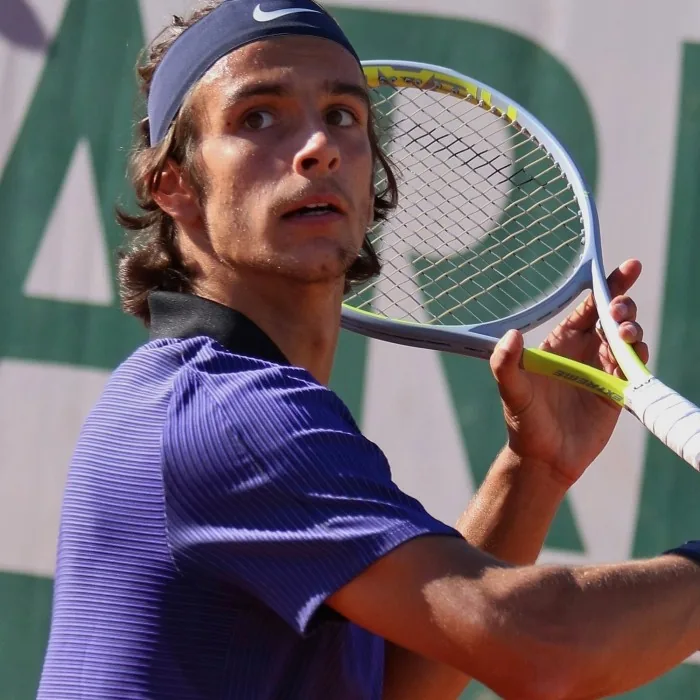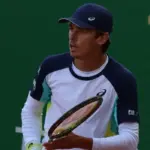






Bellucci Favored Against Bennani at ATP Marrakech: Surface Mastery and Form Advantage
The ATP 250 event in Marrakech on March 31, 2026, presents a matchup between Mattia Bellucci and Reda Bennani on clay—a surface where historical patterns and recent trajectory matter significantly. Bellucci enters as the clear favorite, and the odds reflect a substantial gap: 1.2 to 4.3 in his favor. But beyond the coefficient spread, the underlying competitive dynamics reveal why this assessment aligns with tangible performance data.
Read more De Jong Favored Against Hanfmann in Marrakech: Clay Court Mastery vs. Inconsistent Form
Key Factual Context
Mattia Bellucci has built a solid record on clay courts, particularly on the ATP Challenger circuit where he has accumulated multiple titles. His clay-court win rate over the past two seasons hovers around 58–62%, demonstrating comfort on the surface. Bennani, conversely, has struggled to maintain consistency at the ATP level, with a clay-court conversion rate closer to 40% across recent tournaments. The Italian’s ability to construct points from the baseline and dictate with his forehand becomes more pronounced on slower surfaces, where rally length extends and technical precision rewards patience.
Head-to-head records between these players are limited, but Bellucci’s recent form—winning matches against players ranked in the 150–200 range—suggests momentum heading into Marrakech. Bennani has not competed at the ATP level consistently in the weeks preceding this event, which typically translates to rust and reduced court awareness. The Moroccan’s last ATP appearance saw him exit in early rounds, a pattern that has repeated across the 2025–2026 season.
Why Bellucci Holds the Edge
Three factors converge in Bellucci’s favor. First, clay-court specialization: his movement and footwork on the surface are noticeably sharper than Bennani’s, allowing him to recover from wide shots and maintain aggressive positioning. Second, recent tournament exposure: Bellucci has played more matches in the past month, meaning his timing and rhythm are calibrated for competitive tennis. Third, serve-and-volley opportunities—while not his primary weapon—become more viable on clay when the court plays slower, and Bellucci’s net game is superior to Bennani’s.
Bennani’s primary weakness is inconsistency off the ground. His backhand, while functional, lacks the penetration needed to neutralize Bellucci’s forehand attacks. On clay, where rallies demand sustained pressure, this technical gap widens. Additionally, Bennani’s first-serve percentage has dipped below 55% in recent matches, a liability that becomes critical when facing an opponent who breaks serve efficiently.
Read more Bennani Faces Steep Odds Against Halys in Marrakech: Form and Surface Dynamics Favor the Underdog
Bennani’s Counterarguments—and Why They Fall Short
Bennani does possess one legitimate advantage: he is a Moroccan player competing at home in Marrakech. Crowd support and familiarity with local conditions can provide psychological lift. His aggressive approach—when it connects—can disrupt rhythm, and he has shown flashes of winning tennis against higher-ranked opponents in Challenger events. However, these moments remain sporadic. His inability to sustain pressure over three sets, combined with his recent absence from competitive play, undermines any home-court benefit. Bellucci’s experience in high-pressure ATP environments gives him the mental edge to weather any early aggression.
Market Perspective
The odds currently reflect Bellucci at 1.2 and Bennani at 4.3, implying a 83% probability for the favorite and 23% for the underdog (accounting for margin). This spread is reasonable given the form differential and surface dynamics, though it does not account for the unpredictability inherent in single-match tennis. The coefficient structure suggests confidence in Bellucci’s superiority without overextending into unrealistic territory.
Key Variables That Could Shift the Outcome
Three triggers warrant monitoring. If Bennani’s serve finds rhythm early—particularly his first serve—he could steal a set and