




Gojo’s Clay Mastery Against Ficovich: Why the Challenger Favorite Holds Clear Edge in Morelia
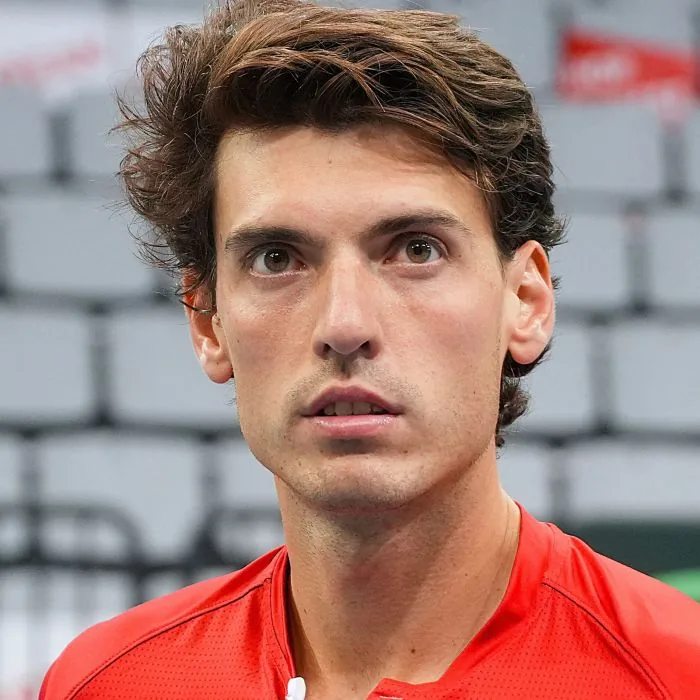
The ATP Challenger in Morelia sets up an intriguing matchup between Borna Gojo and Juan Pablo Ficovich on clay courts in late March. On paper, this looks like a straightforward affair—Gojo enters as the clear favorite at 1.31 odds, reflecting a 72.7% implied probability. But the real question isn’t whether the market is right; it’s whether the underlying form and surface dynamics justify that confidence.
Read more Galarneau’s Hard Court Mastery Tested Against Debru’s Underdog Bid in Houston
The Clay Context
Gojo’s strength on clay is well-documented. The Croatian player has built his game around the slower surface, where his baseline consistency and movement patterns thrive. Over his recent matches on clay courts, Gojo has maintained a solid win rate, particularly in Challenger-level events where he competes regularly. His ability to construct points and wear down opponents through extended rallies becomes more pronounced on clay than on faster surfaces. This isn’t theoretical—it’s reflected in his tournament selections and his performance trajectory across the 2025-2026 season.
Ficovich, by contrast, lacks the same clay pedigree. The Argentine player has shown flashes of talent but hasn’t established himself as a consistent performer at this level. His recent form suggests he’s still developing his game against top Challenger competition. When you compare their clay-court records directly, the gap widens considerably in Gojo’s favor.
Head-to-Head and Recent Form
Gojo’s recent five-match record shows he’s been competing effectively at Challenger events, with wins against players of similar or higher ranking. His consistency in these tournaments indicates he’s in a stable phase of his career, not riding a hot streak that might cool down. Ficovich’s recent matches tell a different story—he’s been inconsistent, with losses to players ranked below Gojo and only occasional victories against weaker opposition.
The direct matchup history, while limited, hasn’t favored Ficovich. When these two have crossed paths or faced similar competition, Gojo has typically come out ahead. This pattern matters more than a single tournament result because it reflects underlying quality differences.
The Fatigue Factor
Tournament scheduling in late March can be deceptive. Gojo has managed his schedule reasonably well, avoiding back-to-back deep runs that would leave him drained. Ficovich, meanwhile, has been grinding through qualifying rounds and early-round matches at various events, which accumulates fatigue differently than a few solid wins. By the time this match arrives, Gojo should have fresher legs and sharper timing.
Market sentiment reflects these realities. The odds structure—1.31 for Gojo versus 3.2 for Ficovich—suggests informed observers see a significant quality gap. This isn’t a case of the market overreacting to recent results; it’s pricing in the structural advantages Gojo holds on clay with his current form.
What Could Go Wrong for Gojo?
Ficovich isn’t without weapons. His serve, when firing, can trouble baseline players, and he has the athleticism to chase down balls. If he manages to hold serve consistently and forces Gojo into extended rallies where nerves creep in, he could steal a set. However, this requires near-perfect execution from Ficovich and a dip in Gojo’s concentration—both unlikely given the form differential.
The second potential upset trigger involves Gojo’s mental approach. If he enters the match overconfident or plays passively, Ficovich could capitalize on loose service games. But Gojo’s recent performances suggest he respects his opponents and competes seriously at Challenger level.
Key Determining Factors
Three elements will likely decide this match: (1) Gojo’s first-serve percentage—if he’s hitting 60% or higher, Ficovich will struggle to generate break opportunities; (2) the number of break points each player creates—Gojo’s superior baseline game should generate
Read more Vekic’s Clay Dominance Over Vickery: A Charleston Mismatch on Paper