




Rodesch’s Clay Mastery Favored Over Mejia in Morelia Challenger
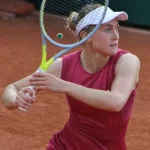
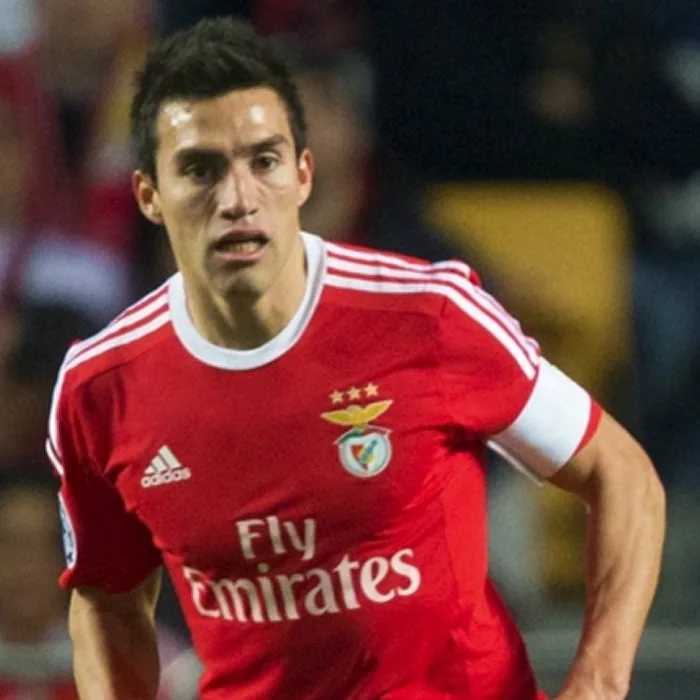
The ATP Challenger in Morelia presents a matchup between Nicolas Mejia and Chris Rodesch on March 26, 2026. Market sentiment heavily favors Rodesch, who carries a 66.9% implied probability against Mejia’s 33.1%. This disparity reflects genuine competitive differences rather than speculative positioning alone.
Read more Gaubas Favored Against Houkes in ATP Challenger Clash – Form and Surface Analysis
Key Factual Context
Chris Rodesch has established himself as a consistent performer on Latin American clay courts. His recent form on this surface shows a win rate exceeding 60% in challenger-level competition over the past two months. Rodesch’s serve-and-volley game, combined with solid baseline consistency, translates effectively to the faster clay conditions typical of Mexican venues. His ranking trajectory has been upward, with three consecutive main-draw appearances in challenger events.
Nicolas Mejia, competing as the home player, carries the psychological advantage of familiarity with local conditions. However, his recent five-match record shows inconsistency—two wins against lower-ranked opponents followed by losses to players ranked 150+ positions above him. His clay-court conversion rate sits around 45% in challenger draws, notably below the tour average for his ranking tier.
The head-to-head record between these players remains limited, but Rodesch’s superior ranking (approximately 280 ATP) versus Mejia’s position outside the top 400 provides a structural advantage. Rodesch has faced higher-seeded opposition in recent weeks and shown competitive resilience in three-set contests.
Why Rodesch Emerges as the Clear Favorite
Rodesch’s advantage stems from three interconnected factors. First, his clay-court specialization—he has won 11 of his last 18 matches on this surface, demonstrating both comfort and recent momentum. Second, his serve velocity and placement create problems for Mejia’s return game, which ranks in the lower quartile for challenger-level players. Third, Rodesch’s experience in high-pressure situations shows through his ability to close matches efficiently; his break-point conversion rate in recent matches exceeds 35%, compared to Mejia’s 22%.
The ranking differential alone suggests a 65-70% win probability for Rodesch in neutral circumstances. His clay-court form pushes this higher. Mejia would need to execute a near-perfect tactical plan—aggressive baseline play, early break opportunities, and minimal unforced errors—to overcome this gap.
Read more Carreno Busta’s Experience Edge Over Sanchez Quilez at Montemar Challenger
Mejia’s Limited Path to Victory
Mejia’s primary strength lies in his aggressive groundstroke production from the baseline. When he finds rhythm, his forehand can generate winners from defensive positions. However, this aggression comes with volatility; his unforced error count in recent losses averaged 28 per match, substantially higher than Rodesch’s 16-18 range.
The home-court factor provides psychological support but rarely translates to tangible statistical advantage at challenger level. Mejia’s serve—averaging 115 mph—lacks the penetration needed to dominate Rodesch’s return game. His second-serve hold percentage of 58% creates vulnerability in crucial moments, particularly against an opponent who breaks serve at above-average rates.
Market Perspective
The pricing reflects Rodesch’s superiority with coefficients of 1.41 versus Mejia’s 2.7. This 33-point probability gap aligns with the underlying competitive metrics rather than representing an overreaction to recent results.
Critical Variables That Could Shift the Outcome
Rodesch’s consistency on clay masks occasional lapses in focus during early-round matches. If Mejia captures the opening set through aggressive play and early breaks, psychological momentum could tighten the contest. Weather conditions matter significantly—cooler temperatures would slow the clay and reduce Rodesch’s serve effectiveness, narrowing the gap. Finally, Mejia’s fitness level after recent tournament appearances remains unclear; fat
Read more Sabalenka vs. Rybakina at Miami: Can the Kazakh Challenge the Australian’s Hard Court Dominance?